


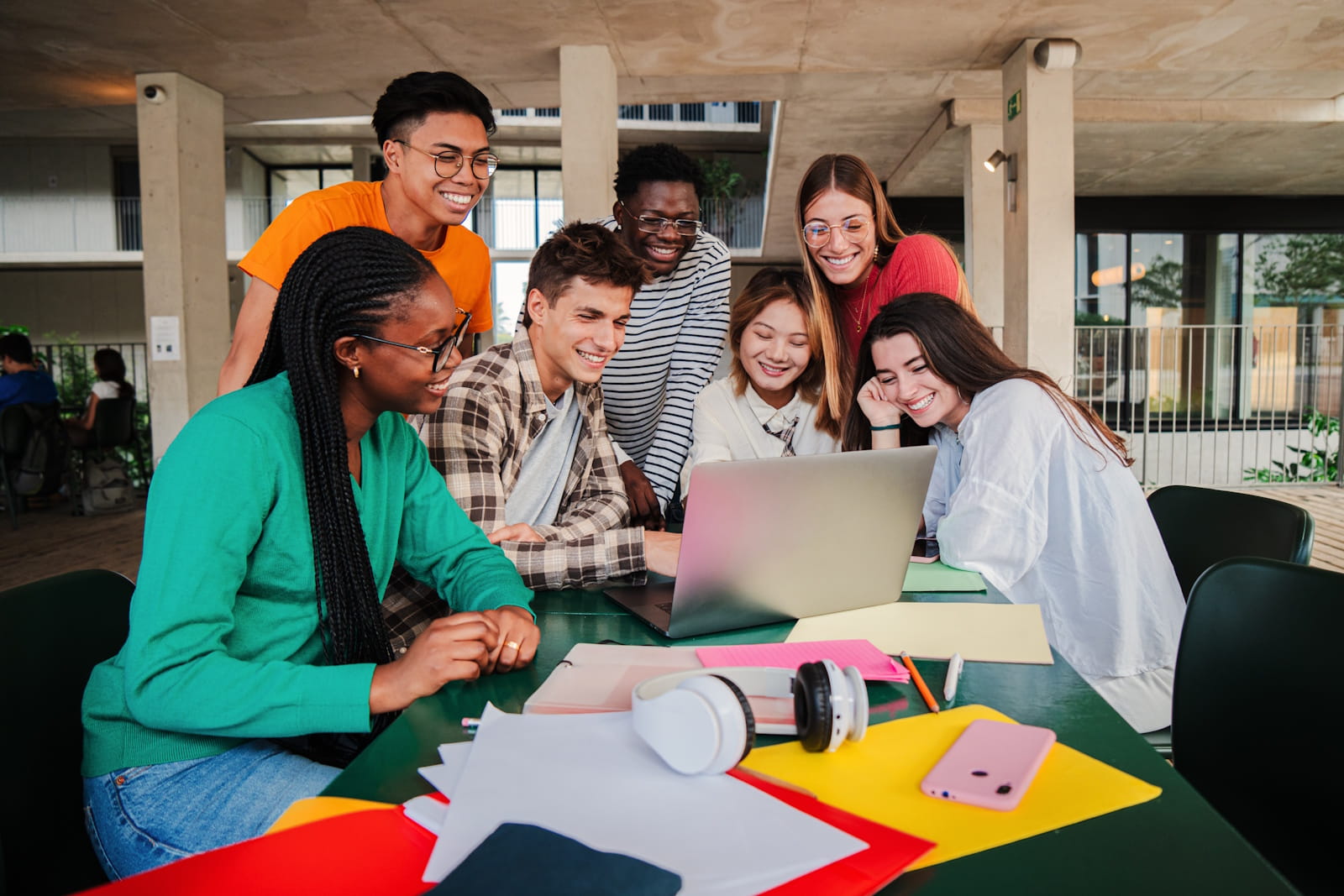
Social Learning and Collaboration with an eLearning LMS
Social learning and collaboration have become central to how effective online education is designed and delivered. When organisations and institutions explore an eLearning LMS, they are often looking beyond content delivery and focusing on how learners interact, share ideas, and build understanding together. Social and collaborative eLearning brings people into the learning experience, turning it into an active process rather than a passive one. This approach is particularly relevant in South Africa, where learners and educators are increasingly working and studying remotely, yet still value connection, discussion, and teamwork.
Rather than replacing traditional learning principles, collaborative eLearning strengthens them. It supports peer interaction, shared problem-solving, and ongoing discussion, all of which improve engagement and retention. By focusing on social learning within eLearning, organisations can create learning environments that feel human, supportive, and motivating, while still remaining structured and goal-focused.
Understanding Social Learning in eLearning LMS Environments
Social learning is based on the idea that people learn best by interacting with others. Within an eLearning LMS, social learning encourages learners to observe, discuss, question, and reflect together. Instead of absorbing information in isolation, learners gain insight through shared experiences and group discussions. This creates a deeper understanding of content and helps learners apply what they have learned more confidently.
In an eLearning context, social learning takes place through discussion spaces, shared activities, and collaborative tasks. Learners can exchange perspectives, challenge ideas respectfully, and learn from different viewpoints. For South African learners who may be geographically dispersed, this approach helps recreate the sense of classroom interaction and peer support that is often missing from online learning.
Key elements of social learning in eLearning LMS environments include:
- Discussion forums and group chats for sharing ideas and clarifying understanding
- Peer feedback systems to provide constructive input on assignments
- Collaborative projects that allow learners to work together toward common goals
- Interactive media like videos, polls, and simulations to support shared learning
- Gamification elements such as leaderboards and badges to motivate collaboration
- Opportunities for learners to observe and model behaviours from peers
- Spaces for reflection and informal interaction to strengthen understanding
Effectively applying these elements ensures that social learning is structured, purposeful, and accessible to all learners. By embedding opportunities for interaction and collaboration throughout the eLearning experience, institutions can ensure that learners not only consume content but also contribute to collective knowledge, making learning more dynamic and memorable.
Social learning in an eLearning LMS encourages active engagement by creating opportunities for learners to discuss, practice, and reflect together. It also builds critical thinking skills by exposing learners to multiple viewpoints and problem-solving approaches. With structured support, social learning becomes a foundation for a collaborative and connected learning environment in which learners feel confident contributing.
Why Collaboration Matters in eLearning
Collaboration is a natural extension of social learning and a key strength of an eLearning LMS when designed correctly. Collaborative learning allows learners to work together towards shared goals, whether that involves solving problems, completing tasks, or reflecting on learning outcomes. Each participant brings their own experiences and knowledge, which enriches the learning process for everyone involved.
In South Africa, where learners may be spread across different locations, collaboration ensures that distance does not hinder engagement. Working together develops skills beyond the academic content itself, including communication, negotiation, and teamwork, which are essential for real-world application.
Key reasons collaboration is important in eLearning include:
- Group projects that develop teamwork and problem-solving abilities
- Peer mentoring to share expertise and build knowledge across the group
- Role-based tasks that promote accountability and cooperation
- Shared discussions and brainstorming sessions for creative solutions
- Opportunities for learners to practice leadership and decision-making skills
- Cross-functional collaboration that mirrors real-world professional environments
- Structured spaces for feedback and constructive critique among peers
Collaboration ensures that learning is no longer a solitary pursuit, but a shared process where learners support one another. By fostering meaningful interactions and shared responsibility for outcomes, an eLearning LMS helps create a culture of engagement, trust, and motivation.
When learners collaborate effectively, they internalise information more deeply and develop critical interpersonal skills. Structured collaborative activities encourage learners to apply knowledge in practical scenarios, increasing retention and building confidence to tackle challenges both within and beyond the learning environment.
Key Features That Support Social and Collaborative eLearning
An effective eLearning LMS supports social learning through structured interaction. Discussion spaces allow learners to ask questions, share insights, and clarify understanding over time. These environments encourage thoughtful participation, especially for learners who may prefer written discussion over speaking in group settings.
Collaborative activities such as group tasks, shared reflections, and peer feedback further strengthen learning outcomes. When learners review each other’s work or contribute to shared projects, they engage more deeply with the content. This process encourages accountability and helps learners recognise that learning is a shared responsibility rather than an individual task.
Improving Engagement and Retention Through Active Learning
Engagement is one of the strongest benefits of social learning within an eLearning LMS. Learners are more motivated when they feel involved and connected to others. Active participation through discussion, collaboration, and shared problem-solving keeps learners interested and invested in the learning process.
Retention also improves when learners actively engage with content. Explaining ideas to peers, debating viewpoints, and applying concepts collaboratively helps reinforce understanding. This approach moves learning beyond memorisation and encourages learners to think critically, reflect, and apply knowledge in meaningful ways.
Building a Sense of Community in Online Learning
Creating a sense of belonging is crucial for successful online education. Learners who feel isolated or disconnected may disengage and struggle to complete courses. In an eLearning LMS, social learning activities foster a community where learners interact, exchange ideas, and support each other’s development.
By participating in structured discussions and collaborative projects, learners begin to form connections and feel part of a larger learning network. This sense of community encourages participation, motivates learners, and helps maintain engagement over time.
Ways to build a strong online learning community include:
- Forums and social groups that encourage learners to introduce themselves and connect
- Team-based projects that require joint problem-solving and decision-making
- Mentorship and peer guidance systems to support learning and skill development
- Collaborative content creation where learners contribute knowledge or resources
- Opportunities for informal interaction and discussion outside formal lessons
- Recognition and feedback mechanisms to highlight contributions and engagement
- Regular updates and communication to maintain momentum and participation
Communities thrive when learners feel their participation is valued and meaningful. An engaged community promotes a positive learning culture, reduces feelings of isolation, and encourages learners to collaborate actively and take ownership of their learning journey.
A sense of community within an eLearning LMS also strengthens retention and learning outcomes. By facilitating peer interaction and social connection, learners remain motivated, feel supported, and are more likely to apply knowledge effectively both individually and collectively.
Overcoming Challenges in Social and Collaborative eLearning
Social and collaborative eLearning offers many benefits, but it also presents challenges. Some learners may be hesitant to participate, while others may dominate discussions. Ensuring equal participation and balancing contributions requires structured planning and active facilitation.
Technical barriers or lack of familiarity with online tools can also hinder engagement. Providing clear guidance, user-friendly platforms, and accessible support ensures that all learners can participate fully in collaborative activities.
Key strategies for overcoming these challenges include:
- Setting clear goals and roles for collaborative activities
- Providing structured guidance and instructions for group tasks
- Combining synchronous and asynchronous interaction to balance schedules
- Offering incentives and gamification elements to motivate participation
- Monitoring engagement and providing timely feedback to learners
- Ensuring user-friendly interfaces and technical support for all learners
- Maintaining data privacy and a safe environment for open discussion
With these strategies, an eLearning LMS can provide a positive, engaging, and balanced collaborative learning experience. Overcoming these challenges ensures learners gain the full benefits of social interaction and shared problem-solving.
By addressing potential barriers proactively, educators and organisations can foster a culture of trust, engagement, and meaningful collaboration. Learners gain confidence to contribute, interact, and apply their knowledge effectively in a supported online environment.
Case Study: A South African School Embracing Collaborative eLearning
A South African school finds itself facing a common challenge. With more learning taking place online, educators notice that learners are disengaged and struggling to connect with the material. The school wants an eLearning programme that makes learning more appealing, encourages teamwork, and helps learners feel connected to their peers. Their goal is to create an environment where learners actively participate, share ideas, and work together to complete tasks using an eLearning LMS approach.
To move forward, the school begins researching social learning and collaborative eLearning. Educators explore how peer interaction, group activities, and shared problem-solving can improve engagement and understanding. They review examples of online collaboration, learn about the importance of discussion and feedback, and consider how learning can become more interactive and learner-driven.
Through this process, the school realises that successful eLearning focuses on people, not just content. They decide to design learning experiences that encourage discussion, teamwork, and shared reflection. By prioritising social learning and collaboration, the school moves forward with a clear strategy to make online learning more engaging, supportive, and effective for its learners.
What eLearning Vendors Support Social Learning and Collaboration Tools?
At Sound Idea Digital, we support social learning and collaboration by designing eLearning content that encourages learners to actively engage, interact, and learn together. We create a wide range of learning content options that work together to support collaborative learning experiences. Training videos and animation help explain complex concepts clearly, giving learners a shared understanding they can discuss and apply together. Voice-over courses and podcast-style content allow learners to absorb information flexibly, which works well alongside group discussions and reflective activities. Interactive e-books keep learners engaged with structured content while encouraging exploration, shared interpretation, and deeper understanding through collaboration.
We also design quizzes, gamification, and image or slide-based content to reinforce learning through interaction and teamwork. Quizzes help test knowledge retention and spark discussion, while gamification introduces friendly competition through achievements, leaderboards, and progress tracking that motivate learners to participate together. Image and slide-based content supports visual learning and works especially well when combined with voice-over and e-book content for shared learning experiences. For more immersive collaboration, we develop virtual reality and augmented reality learning that allows learners to safely explore real-world systems and scenarios together, as well as animation that makes challenging topics easy to understand and discuss. By combining these content types thoughtfully, we ensure social learning and collaboration are embedded throughout the learning experience, helping learners connect, share knowledge, and grow together.
Partner with Experienced eLearning Providers
Social learning and collaboration have reshaped how online education is experienced. When designed effectively, an eLearning LMS can support meaningful interaction, improve engagement, and strengthen learning outcomes. By encouraging learners to connect, share knowledge, and work together, eLearning becomes more than just content delivery. It becomes a shared journey that supports understanding, confidence, and real-world skills.
As organisations and educational institutions in South Africa continue to explore collaborative eLearning, the focus should remain on people, participation, and purpose. At Sound Idea Digital, we help organisations design eLearning experiences that encourage social learning and collaboration in practical and engaging ways. If you are looking to create eLearning that truly connects learners and delivers lasting value, get in touch with us and let us build it together.