
What LMS Companies Provide Data Security And Compliance?
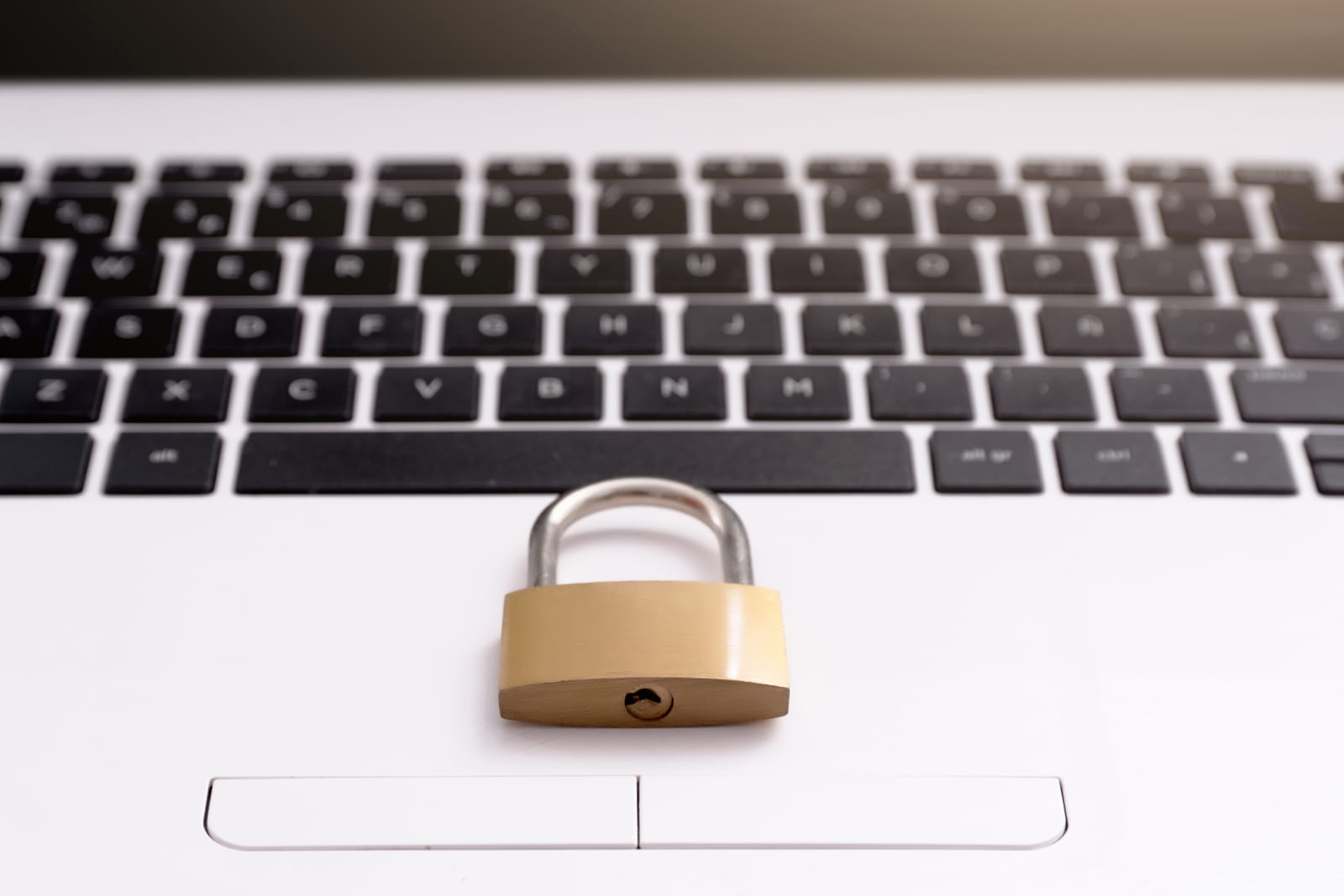
An LMS has become one of the most important systems inside a modern training environment. It stores learner profiles, assessment results, certificates, training histories, activity logs, internal documents, and compliance evidence. When this information is not properly protected, organisations can face data breaches, failed audits, legal exposure, reputational damage, and serious disruption to training operations.
Strong LMS security is about more than passwords and logins. It requires a careful mix of data protection, access control, reporting, backups, audit trails, compliance support, and practical user management. For South African organisations, this also means choosing a platform that supports responsible personal information handling, helps teams manage training records clearly, and gives managers confidence that learning data is secure and reliable.
Why LMS Security Matters for Modern Organisations
An LMS often holds sensitive learner and employee data. This may include names, email addresses, ID numbers, job roles, assessment scores, certificates, learning progress, attendance records, and completion reports. In industries such as healthcare, mining, manufacturing, finance, education, retail, and industrial training, this data may also support legal, safety, accreditation, or internal compliance requirements.
The risk is real because cyber incidents are not rare or harmless. International breach research shows that human behaviour is still involved in a large share of breaches, while third-party involvement has increased sharply in recent reports. For LMS platforms, this matters because training systems often connect with HR systems, reporting dashboards, authentication tools, cloud services, and external content environments.
A secure LMS protects more than data. It protects trust, continuity, and accountability. If training records are lost, altered, leaked, or unavailable during an audit, the organisation may struggle to prove that employees completed mandatory learning. This can affect compliance, reputation, productivity, and confidence in the training programme.
What Makes an LMS Secure?
A secure LMS uses multiple layers of protection rather than relying on one feature. Strong passwords help, but they are not enough on their own. The platform should combine encryption, secure access, user roles, backups, activity logs, audit trails, secure hosting, system monitoring, and proper administrator controls.
Security should also follow the full life cycle of the data. Information must be protected when it is stored, when it moves between systems, and when users access it. This includes learner records, certificates, assessment results, training documents, personal details, and reports.
Key LMS Security Features to Look For
- Encryption for data at rest and in transit
- SSL or HTTPS protection for secure browser access
- Strong password requirements
- Multi-factor authentication where needed
- Role-based access control
- Single Sign-On for controlled access across systems
- Secure backups and disaster recovery planning
- Activity logs and audit trails
- Monitoring for unusual user behaviour
- Secure integrations with HR or other business systems
- Regular access reviews
- Clear administrator permissions
These features reduce the chance of unauthorised access, accidental changes, data loss, and internal misuse. They also help administrators understand what is happening inside the LMS, which is important when investigating issues or preparing for audits.
The strongest LMS companies do not treat security as a once-off setup task. They build it into the structure of the platform, the implementation process, the reporting environment, and the way users are managed over time.
Key LMS Data Security Features to Look For
A reliable LMS should encrypt data while it is stored and while it is being transferred. This protects sensitive information such as login details, learner profiles, assessment results, certificates, and course records. Encryption makes intercepted or stolen information much harder to read or misuse.
Strong authentication is also essential. Password complexity rules, account controls, and multi-factor authentication help prevent unauthorised access. This is especially important when learners and managers access the LMS remotely, from different sites, or from mobile devices.
User roles bring structure to the system. Learners, managers, instructors, assessors, moderators, administrators, and reporting users should not all have the same permissions. When access is matched to real responsibilities, the LMS becomes easier to manage and safer to use.
LMS Compliance Features That Support Audits
Compliance depends on accurate records. An LMS should be able to show who completed training, when they completed it, what result they achieved, which certificate was issued, and which version of the training material they received. This kind of evidence becomes valuable during internal reviews, regulatory checks, accreditation processes, and workplace incidents.
A good LMS should also support reporting across departments, roles, teams, and locations. This helps managers identify incomplete training, expired certificates, overdue modules, and training gaps before they become compliance problems. Manual tracking often breaks down as organisations grow, especially when training is spread across multiple branches, shifts, or learner groups.
Audit support should be practical. The system should store digital acknowledgements, training receipts, activity logs, assessment records, certificate data, and document changes in a way that is easy to retrieve. This reduces the pressure on HR, compliance, training, and operations teams when evidence is needed quickly.
How LMS Compliance Connects to POPIA, GDPR, and Industry Standards
An LMS that stores personal information must be managed responsibly. In South Africa, POPIA requires organisations to think carefully about how personal information is collected, used, stored, shared, and protected. This applies directly to LMS data because learner records often include identifiable employee or student information.
GDPR has also shaped global expectations around privacy, consent, access, deletion, portability, and lawful processing. Even when a South African organisation is not directly subject to GDPR, its principles are useful for good data governance. They encourage organisations to collect only what is needed, explain how data is used, and keep records secure.
Compliance Areas an LMS Should Support
- POPIA-aligned personal information handling
- GDPR-style privacy principles
- Secure storage of learner and employee data
- Controlled access to assessment and certificate records
- Audit trails for user activity
- Data retention rules
- Documented reporting processes
- Accessibility considerations
- Industry-specific training evidence
- Accreditation and certification tracking
Industry standards also matter. Healthcare teams may need proof of role-specific training, mining teams may need safety and contractor training evidence, and accredited training organisations may need structured learner, assessor, moderator, and verifier records. The LMS should make these requirements easier to manage.
Compliance is not only about avoiding penalties. It also helps organisations build trust with learners, clients, auditors, managers, and regulators. When the LMS keeps accurate records and protects data properly, training becomes easier to defend and easier to improve.
Common LMS Security Risks to Avoid
Many LMS risks come from simple gaps that build up over time. A contractor may receive temporary access and keep it long after the project ends. A manager may have broader permissions than needed. A learner may use a weak password. An old user profile may remain active after someone leaves the organisation.
These problems are common because LMS platforms often grow with the organisation. New courses, new departments, new integrations, and new learner groups are added over time. Without regular access reviews, the system can become harder to control.
LMS Risks That Need Attention
- Shared user accounts
- Weak or reused passwords
- Missing multi-factor authentication
- Inactive accounts that are not removed
- Poorly managed administrator access
- Unpatched systems or old components
- Insecure third-party integrations
- Weak API protection
- Cloud misconfigurations
- Limited backup testing
- No clear incident response process
Another risk is poor monitoring. If no one can see unusual login activity, sudden spikes in data access, or unauthorised changes to records, problems may only become visible after damage is done.
A secure LMS should make these risks easier to prevent and detect. That means giving administrators clear controls, usable reports, alerts where needed, and a practical process for managing users throughout their time in the organisation.
Questions to Ask LMS Companies About Security
Choosing an LMS should involve more than comparing features and pricing. Security and compliance questions should come early in the decision-making process. If the provider cannot explain how data is protected, how roles work, how reporting is handled, or how backups are managed, the system may not be suitable for sensitive training environments.
It is also important to ask how the LMS will support your specific sector. A mining company, healthcare provider, retailer, academic institution, and accredited training organisation may all need different workflows, reporting structures, access levels, and evidence requirements.
Useful LMS Security Questions
- How is learner data encrypted?
- Does the LMS support role-based access control?
- Can administrators review user activity?
- Does the system support multi-factor authentication?
- How often are backups performed?
- Are backups tested?
- Can the LMS produce audit-ready reports?
- How are inactive users removed or restricted?
- How are integrations secured?
- Can certificates and training records be tracked?
- Can user permissions be customised?
- How does the LMS support POPIA-aligned data handling?
These questions help separate surface-level LMS features from serious security and compliance capability. A good provider should answer clearly and practically.
The goal is not to make the buying process more complicated. It is to avoid choosing a system that creates risk later. The more sensitive your training data is, the more important these questions become.
Sound Idea Digital’s LMS Services and Expertise
At Sound Idea Digital, we are a South African eLearning production and Learning Management System agency with more than 30 years of experience. We specialise in LMS development, eLearning production, video production, animation, content creation, and immersive learning experiences. We work with organisations that need practical digital training solutions, not generic learning systems that are difficult to manage.
Our Collective Mind LMS has been developed over 20 years to support large-scale corporate and sector-specific training. It can accommodate over 20,000 active users and is built for flexibility, custom branding, learner tracking, reporting, and practical administration. We support corporate training, accredited training organisations, academic institutions, mining, industrial teams, healthcare workers, retail workers, and non-desk-based staff.
How We Support LMS Projects
- We consult with your team to understand your training needs
- We design the LMS interface around your brand
- We configure the platform around your users and workflows
- We can upload existing course content
- We can develop new eLearning content where needed
- We support learner management and reporting
- We train designated employees to manage the LMS in-house
- We support industry-specific learning needs
- We help align training delivery with compliance goals
We also understand the value of content. Because we combine LMS development with eLearning production, we can help organisations build the platform and the learning material that sits inside it. That includes instructional design, video, animation, interactive learning, assessments, and structured learning paths.
This full-service approach helps organisations avoid the gap between technology and training. Instead of treating the LMS and course content as separate projects, we help bring them together so the learning experience is easier to manage, easier to track, and more useful for learners.
How Sound Idea Digital Supports Secure LMS Implementation
Secure LMS implementation starts with understanding the organisation. Different teams need different access, reporting, content structures, and compliance workflows. That is why setup should begin with a clear discussion around users, roles, learning objectives, reporting needs, and operational realities.
For example, non-desk-based workers may need mobile access. Mining teams may need safety training, offline access, audit trails, practical assessments, and contractor group tracking. Accredited training organisations may need learner, assessor, moderator, and verifier profile management. Healthcare teams may need role-specific training, certifications, detailed reports, and continuous skills development.
The LMS should then be configured around these needs. This includes interface branding, user permissions, course structures, assessment setup, learner tracking, reporting access, and administrator training. When the system reflects the way the organisation actually works, security and compliance become easier to manage.
Why a Custom LMS Can Strengthen Compliance
A custom LMS can strengthen compliance because it can be shaped around the organisation’s real training requirements. Standard platforms may offer useful features, but they do not always match sector-specific workflows, reporting needs, role structures, or accreditation processes.
This matters when training is linked to safety, legal responsibility, certification, service quality, or operational performance. A custom LMS can support practical assessments, document control, mobile learning, microlearning, QR-enabled modules, role-based learning paths, certificate tracking, and tailored reports.
Compliance Benefits of a Custom LMS
- Training workflows can match real operations
- Reports can reflect management and audit needs
- User roles can match internal responsibilities
- Certificates can be tracked more effectively
- Assessments can be built around job tasks
- Learning paths can be tailored to departments or roles
- Accredited training documents can be easier to manage
- Mobile learning can support distributed teams
- Branding can improve trust and adoption
- Administrators can manage training in a more familiar structure
A custom LMS is especially useful for organisations with large or complex workforces. If training needs to reach multiple sites, shifts, branches, contractor groups, or non-desk-based teams, a flexible system can reduce confusion and improve consistency.
It also helps future-proof the training environment. As regulations change, teams grow, and training content develops, the LMS can be adapted rather than replaced. That makes compliance easier to maintain over the long term.
Choosing LMS Companies With Long-Term Support
The LMS market continues to grow as more organisations move training online. This growth is driven by the need for scalable learning, remote access, compliance tracking, and better reporting. For many businesses, the LMS has become a central part of workforce development rather than a side project.
Long-term support is important because security and compliance do not stand still. User roles need to be reviewed, content must be updated, certificates expire, regulations change, and new departments may need to be added. Without ongoing support, even a good LMS can become messy, outdated, or risky.
A reliable LMS company should offer implementation support, administrator training, content guidance, reporting support, and system improvements. The platform should be able to grow with the organisation while remaining secure, practical, and easy to manage.
Train Effectively While Keeping Your Data Secure
A secure LMS should help organisations train people effectively while protecting the information behind every learning activity. The right platform should control access, protect personal data, track progress, store reliable records, support compliance reporting, and make audits easier to manage. It should also be flexible enough to suit the organisation’s real training environment, whether that involves corporate teams, accredited learning, healthcare, mining, industrial operations, retail, or non-desk-based workers.
At Sound Idea Digital, we help organisations plan, develop, implement, and support LMS solutions that are practical, scalable, and aligned with real training needs. We combine LMS development, eLearning production, multimedia content, learner tracking, and implementation support to create learning platforms that work. Get in touch with us if you need an LMS that protects your data, supports compliance, and makes training easier to manage.
FAQs About LMS Data Security and Compliance
LMS data security refers to the controls that protect learner, employee, course, assessment, and certification data inside a Learning Management System. A secure LMS should protect information when it is stored, shared, accessed, updated, or reported on. This includes encryption, secure logins, strong passwords, role-based access, backups, monitoring, and audit trails. These features help prevent unauthorised access, data loss, record manipulation, and accidental exposure. LMS data security is especially important for organisations that manage compliance training, accredited learning, healthcare training, mining safety training, corporate onboarding, or any learning programme involving personal information and formal records.
LMS compliance is important because businesses need reliable proof that employees, learners, contractors, or students have completed required training. A compliant LMS helps track course completion, assessment results, certificates, acknowledgements, document versions, and training histories. This matters during audits, internal reviews, safety checks, and accreditation processes. Compliance also supports responsible handling of personal information under privacy laws such as POPIA and GDPR. Without proper LMS compliance features, organisations may rely on scattered records, manual spreadsheets, or outdated documents. This creates risk, weakens accountability, and makes it harder to prove that training requirements were met correctly.
Organisations should look for an LMS with encryption, SSL or HTTPS access, strong password requirements, role-based permissions, multi-factor authentication, secure backups, activity logs, and audit-ready reporting. These features work together to protect personal data, training records, assessment results, certificates, and internal learning material. User roles are especially important because learners, managers, assessors, instructors, administrators, and reporting users should not all have the same access. A good LMS should also support secure integrations with HR or business systems. The best security setup is layered, practical, and easy for administrators to manage consistently.
An LMS can support POPIA and GDPR compliance by helping organisations manage personal information responsibly. This includes limiting access to learner data, storing records securely, tracking user activity, managing permissions, and keeping clear reports. A compliant LMS should make it easier to show how data is used, who can access it, and how training records are protected. It should also support data minimisation, retention rules, secure reporting, and accountability. While an LMS alone does not guarantee legal compliance, it gives organisations the structure they need to manage training data in a safer and more transparent way.
The biggest LMS data security risks often come from weak everyday practices. These include shared logins, weak passwords, inactive accounts, excessive administrator access, missing access reviews, poor backups, unpatched systems, and insecure integrations. Cloud misconfigurations and weak API protection can also expose sensitive information if they are not managed correctly. Another major risk is poor monitoring. If administrators cannot see suspicious activity, failed logins, unusual data access, or unauthorised changes, problems may go unnoticed. A secure LMS should reduce these risks through clear permissions, activity tracking, secure hosting, regular maintenance, and structured user management.
At Sound Idea Digital, we help organisations plan, develop, implement, and support LMS solutions that match real training and compliance needs. Our Collective Mind LMS supports learner tracking, reporting, custom branding, user management, course delivery, assessments, and scalable training for large organisations. We work with corporate teams, accredited training providers, academic institutions, healthcare teams, mining operations, industrial workers, retail teams, and non-desk-based staff. We also combine LMS development with eLearning production, which means we can help with both the platform and the learning content inside it. Our goal is to make training secure, manageable, and measurable.