


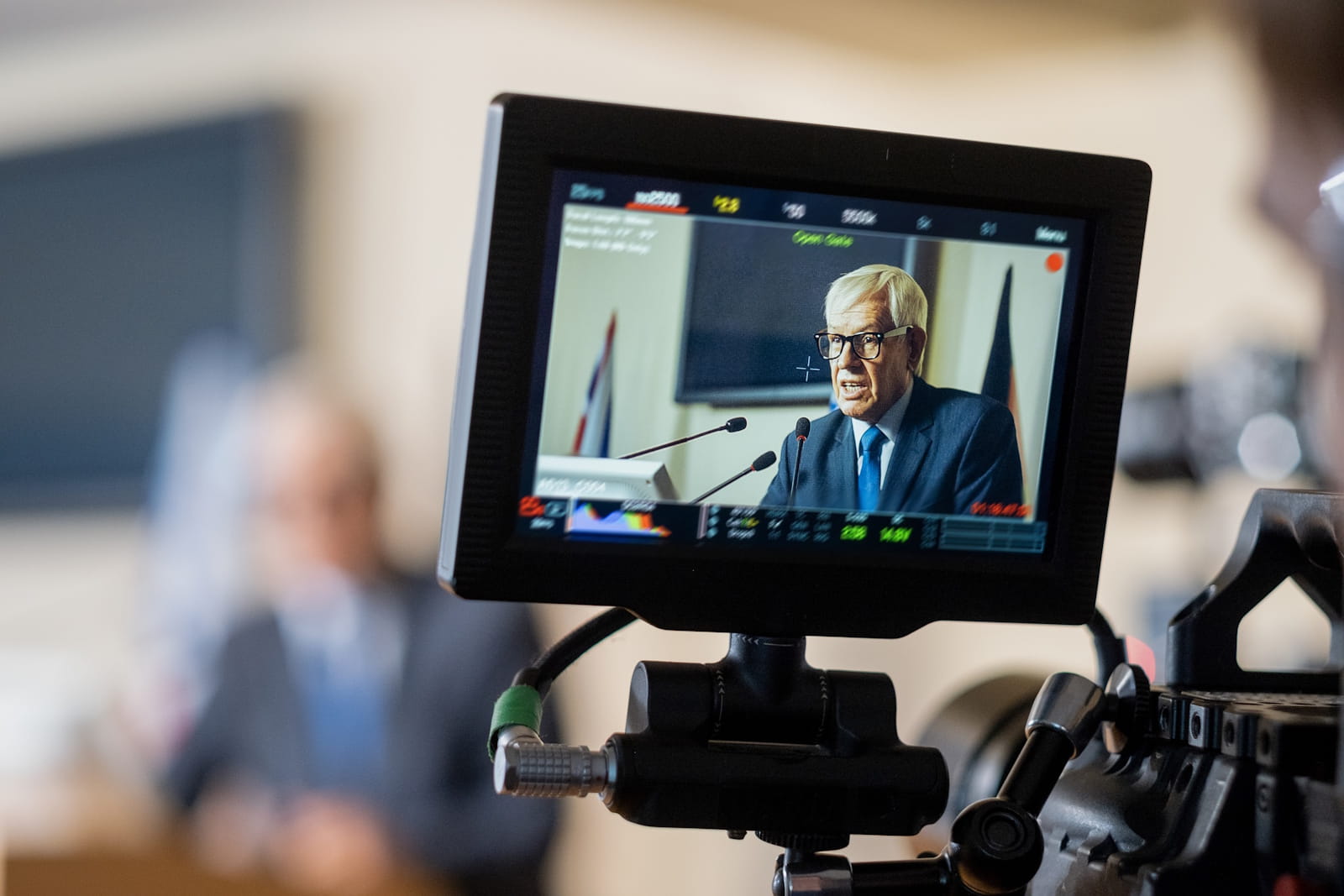
How Corporate Video Production Supports LMS for eLearning
Corporate video production has become one of the most effective ways for organisations to communicate, educate, and engage their audiences. While an LMS for eLearning helps deliver structured learning content, video brings information to life in a way that is easier to understand and remember. From employee onboarding to customer education, corporate videos support a wide range of business objectives.
Many South African businesses use video to explain complex concepts, showcase their expertise, and strengthen their brand presence. A well-produced corporate video combines clear messaging, strong storytelling, and professional production techniques to create content that informs and inspires action. Understanding the production process is the first step towards creating videos that achieve meaningful results.
What Is Corporate Video Production?
Corporate video production refers to the planning, creation, and distribution of video content designed to support business goals. Unlike entertainment content, corporate videos focus on delivering information, educating audiences, promoting products or services, or strengthening internal communication. Businesses often use video to communicate messages more effectively than text alone.
Corporate videos can serve both internal and external audiences. Internally, they support onboarding, training, and company updates. Externally, they help build trust, demonstrate expertise, and showcase products or services. When combined with tools such as an LMS for eLearning, video content can significantly improve knowledge retention and learner engagement.
Why Corporate Video Production Matters for Modern Organisations
Video allows businesses to communicate information quickly and clearly. Visual storytelling helps viewers absorb and remember information more effectively than written content alone. Whether explaining a process, introducing a service, or sharing company values, video creates a stronger connection with the audience.
Corporate video production also supports consistency. Every employee, customer, or stakeholder receives the same message regardless of location. For organisations using an LMS for eLearning, video provides an engaging way to deliver learning content while ensuring a consistent educational experience across teams and departments.
Key Types of Corporate Video Production
Company Story and Brand Videos
Company story videos help audiences understand who an organisation is, what it stands for, and why it exists. These videos often highlight company values, history, and long-term vision. Authentic storytelling helps build trust and creates stronger emotional connections with viewers.
Brand videos focus on communicating identity and positioning. Rather than simply listing products or services, they show what makes an organisation different. When integrated into broader communication strategies, these videos can complement content delivered through an LMS for eLearning by reinforcing organisational culture and values.
Training, Onboarding, and Educational Videos
Training videos provide structured learning experiences that employees can access whenever needed. They simplify complex topics, improve knowledge retention, and reduce the need for repeated in-person training sessions. Organisations often use them for compliance, safety, skills development, and onboarding programmes.
Educational content becomes even more valuable when paired with an LMS for eLearning. Learners can watch videos, complete assessments, and revisit information whenever necessary. This combination creates a more engaging and flexible learning environment that supports long-term development.
Product Demonstrations, Testimonials, and Case Studies
Product demonstration videos, testimonials, and case studies each serve a unique purpose within a corporate video strategy. Together, they help businesses move beyond simply telling audiences about their products or services and instead show real-world value. These formats work particularly well because they combine practical information with authentic experiences, making them highly persuasive and educational for viewers.
Many organisations use these videos throughout the customer journey. Product demonstrations help potential customers understand functionality, while testimonials and case studies build trust through evidence and real experiences. When planned correctly, these assets can support marketing campaigns, sales efforts, employee education, and customer onboarding initiatives simultaneously.
Common examples include:
- Product demonstration videos that showcase features, functionality, and practical applications
- Customer testimonial videos that highlight real experiences and measurable benefits
- Case study videos that explain how challenges were solved and outcomes achieved
- Employee success stories that demonstrate company culture and expertise
- Service walkthrough videos that explain processes and customer expectations
- Before-and-after project showcases that illustrate results visually
Product demonstration videos show how a product or service works in practical situations. Rather than explaining features in writing, they allow viewers to see benefits in action. This helps potential customers understand value more quickly and confidently. Visual demonstrations often simplify complex concepts and reduce uncertainty during decision-making.
Testimonials and case studies add credibility by showcasing real experiences and measurable outcomes. These videos build trust by allowing customers, employees, or partners to share authentic stories. They are particularly effective when organisations want to demonstrate expertise, establish authority within their industry, and provide evidence that supports their claims.
The Corporate Video Production Process
Pre-Production: Building the Foundation
Every successful corporate video begins with planning. Pre-production involves defining objectives, identifying the target audience, developing key messages, and choosing the most suitable format. During this stage, teams create scripts, storyboards, production schedules, and shot lists.
Clear planning prevents unnecessary delays and ensures everyone understands the project goals. Businesses that invest time in pre-production often produce more effective videos because every creative decision supports a specific objective.
Production: Capturing the Right Content
Production is the stage where planning becomes reality. Every interview, demonstration, and visual element captured during filming contributes to the final story. Strong production focuses on creating footage that is both visually appealing and strategically aligned with the project objectives. Careful preparation ensures the team captures all the material required to support the intended message.
A successful production day balances structure with flexibility. While schedules and shot lists guide the process, opportunities often arise to capture authentic moments that strengthen the final video. These unscripted moments can add personality, credibility, and emotional impact that planned scenes sometimes cannot achieve on their own.
Production activities often include:
- Interview recordings with employees, customers, or stakeholders
- Talking-head presentations and executive messages
- Product demonstrations and process walkthroughs
- Workplace and team footage
- B-roll footage to support storytelling
- Environmental and location visuals
- Audio recording and sound monitoring
- Multiple takes to ensure quality and consistency
Production is the filming stage where video and audio assets are recorded. This may include interviews, presentations, demonstrations, workplace footage, and supporting visuals. Professional production focuses on capturing clear audio, strong visuals, and authentic performances that align with the intended business objective.
Good production requires preparation and flexibility. While the shoot follows a planned structure, teams often adapt to capture unexpected moments that strengthen the story. These authentic moments frequently become some of the most memorable parts of the final video and contribute significantly to viewer engagement.
Post-Production: Shaping the Final Message
Post-production transforms raw footage into a polished communication asset. Editors organise footage, select the strongest clips, improve pacing, and combine visuals with music, graphics, and narration. This stage shapes the overall viewer experience.
The editing process also allows businesses to create multiple versions of a video for different audiences and platforms. A single production can support websites, presentations, recruitment campaigns, training initiatives, and social content, increasing the value of the original investment.
How Corporate Video Production Enhances an LMS for eLearning
Video has become one of the most valuable tools in modern learning environments because it supports both engagement and retention. Learners often find visual demonstrations easier to follow than text-heavy materials, particularly when dealing with technical processes, workplace procedures, or complex concepts. Well-structured video content can make learning more accessible while encouraging learners to remain actively involved throughout the learning experience.
For organisations focused on training and development, video also provides consistency. Every learner receives the same information presented in the same way, regardless of location or schedule. When combined with broader learning strategies, video can help create scalable training programmes that support long-term organisational growth and knowledge sharing.
Video can support eLearning through:
- Training videos that explain concepts step by step
- Voice-over learning modules that reinforce key information
- Interactive video-based learning experiences
- Visual demonstrations of systems, processes, and procedures
- Assessment preparation and knowledge reinforcement
- On-demand learning libraries for continuous development
- Blended learning programmes that combine multiple content formats
Video plays a central role in modern learning experiences. Learners often engage more effectively with visual content because it demonstrates concepts rather than simply describing them. Training videos can break complex subjects into manageable segments that are easier to understand and retain.
When organisations combine video with an LMS for eLearning, they create a more interactive learning environment. Employees can access training on demand, revisit key lessons, and learn at their own pace. This approach supports consistency while helping organisations scale training programmes more efficiently.
Best Practices for Corporate Video Production in an LMS for eLearning
Successful corporate videos begin with a clear objective. Every decision, from scripting to editing, should support a specific business outcome. Keeping messages focused prevents information overload and improves audience engagement.
Organisations should also maintain consistent branding, prioritise high production quality, and ensure accessibility through captions and clear visuals. Videos should be designed for their intended audience and distribution channels. By focusing on clarity, authenticity, and relevance, businesses can create content that delivers lasting value.
Can You Suggest eLearning Platforms That Offer Seamless Video Integration?
Many organisations researching an LMS for eLearning begin by looking for platforms that offer seamless video integration. While video functionality is certainly important, it is equally important to research the overall capabilities of the platform and ensure it aligns with your learning objectives. Features such as content management, learner engagement tools, assessments, reporting, accessibility, and scalability all contribute to the success of an eLearning programme. Rather than choosing a platform based solely on video features, organisations should carefully evaluate different options and determine which solution best supports their specific training and development needs.Video integration should be viewed as one component of a larger learning ecosystem. A platform may offer excellent video functionality, but if it lacks flexibility, reporting capabilities, learner engagement features, or content management tools, it may not fully support your training goals. Taking the time to compare platforms, review feature sets, and understand how they align with organisational requirements can help ensure a more successful long-term eLearning strategy.
Equally important is partnering with an experienced eLearning provider that can develop engaging learning content regardless of the platform selected. At Sound Idea Digital, we specialise in eLearning content development and use instructional design principles to align content with learning objectives, activities, and different learning styles. We work with both the SAM and ADDIE learning models and collaborate closely with subject matter experts to develop effective learning experiences. This allows us to create content that is structured, engaging, and aligned with measurable learning outcomes. Our eLearning services include training videos, voice-over courses, interactive e-books, quizzes, image and slide-based content, gamification solutions featuring leaderboards and achievement systems, animation, virtual reality training, and augmented reality learning experiences. By combining these content formats strategically, we help organisations create engaging and effective learning programmes that deliver meaningful outcomes. Rather than focusing solely on the platform itself, we encourage organisations to research available LMS for eLearning solutions while ensuring they partner with a reputable eLearning provider capable of creating high-quality learning content that maximises the value of the chosen platform.
Turning Corporate Video Into Business Results
Corporate video production has evolved into an essential business communication tool. Whether supporting marketing, training, onboarding, or customer education, video helps organisations communicate more effectively and create stronger connections with their audiences. When used alongside an LMS for eLearning, video becomes an even more powerful tool for knowledge sharing and learner engagement.
Businesses that invest in strategic planning, professional production, and purposeful storytelling can create videos that continue delivering value long after publication. Corporate video content can support multiple business objectives, strengthen training initiatives, improve knowledge retention, and help organisations build stronger relationships with both internal and external audiences. If you are looking to develop impactful corporate video content that supports your business goals, contact Sound Idea Digital to discuss how professional video solutions can help your organisation communicate, educate, and grow more effectively.
FAQs
Corporate video plays an important role in improving LMS for eLearning programmes because it makes learning more engaging, interactive, and easier to understand. Rather than relying solely on text-based content, learners can watch demonstrations, explanations, and real-world examples that help simplify complex concepts. Video also supports different learning styles, making training more accessible to a wider audience. Within an LMS for eLearning, videos can be organised into structured learning paths, allowing learners to progress at their own pace. This often leads to improved knowledge retention, higher completion rates, and a more enjoyable learning experience overall.
Video is considered an effective learning tool because it combines visual and auditory elements to create a richer learning experience. Learners can see concepts in action rather than simply reading about them, which often improves understanding and retention. Corporate video content can break complex topics into smaller, more manageable sections, making information easier to absorb. Within an LMS for eLearning, video also allows learners to pause, replay, and revisit content whenever necessary. This flexibility supports self-paced learning and helps learners build confidence as they progress through training materials and develop new knowledge and skills.
Businesses can measure the success of corporate videos in eLearning by tracking a variety of performance indicators. Common metrics include video completion rates, learner engagement levels, assessment scores, and course completion statistics. Organisations can also evaluate knowledge retention through quizzes and practical assessments delivered within an LMS for eLearning. Feedback surveys can provide valuable insights into learner satisfaction and content effectiveness. Beyond training metrics, businesses may assess operational improvements such as reduced onboarding times, increased productivity, or fewer workplace errors. Measuring both learning outcomes and business impact helps determine the overall effectiveness of corporate video content.
When creating corporate videos for eLearning, businesses should begin by identifying clear learning objectives and understanding their target audience. The content should focus on delivering relevant information in a clear and engaging manner. High-quality audio, professional visuals, and concise messaging all contribute to a better learning experience. Videos should also align with broader training goals and integrate effectively within an LMS for eLearning. Accessibility is another important consideration, including captions and clear visual design. By combining strong instructional design principles with engaging video content, organisations can create training materials that support meaningful learning outcomes.