
A Guide to Multilingual Content in Learning Management Systems
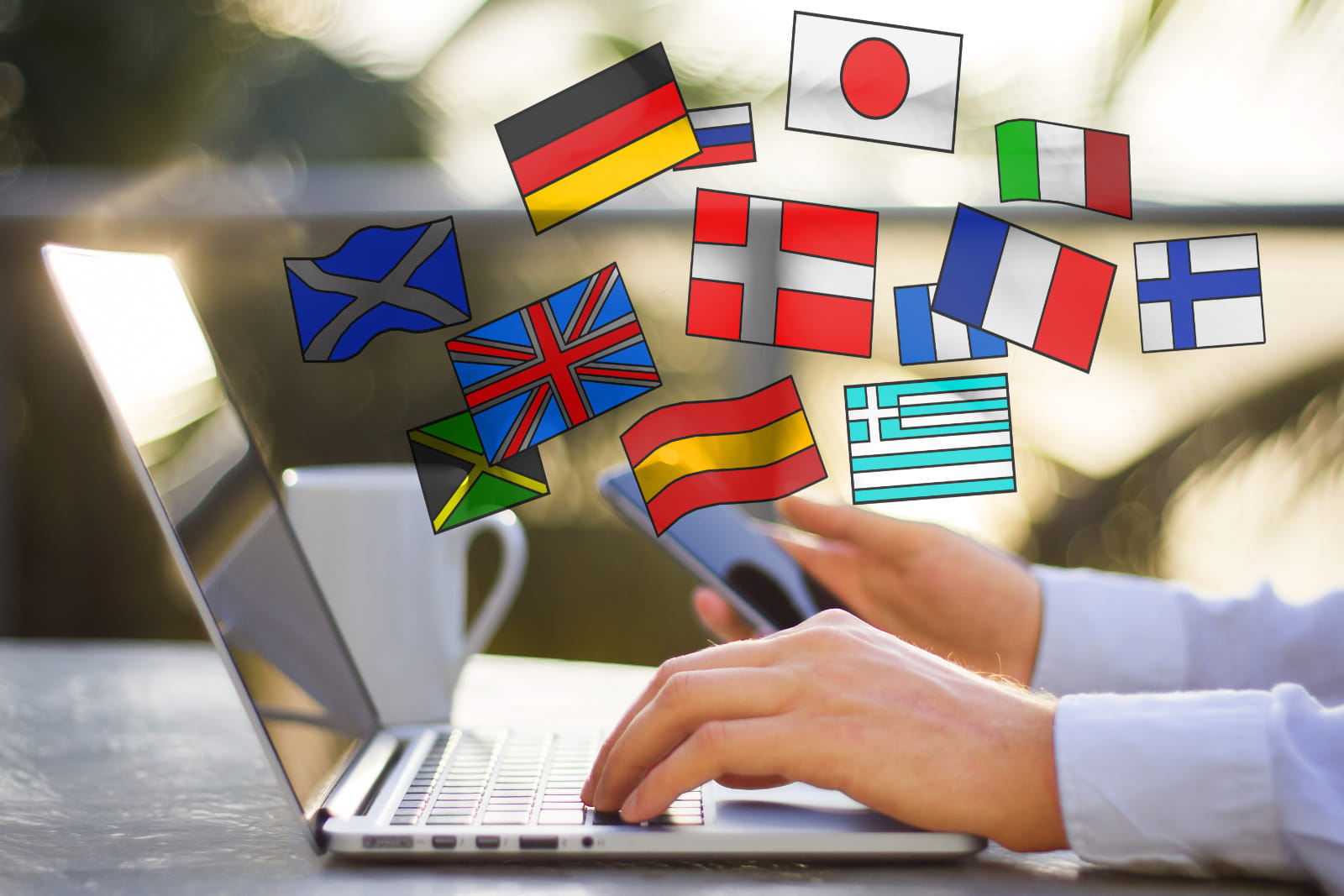
Multilingual content in learning management systems is becoming essential for organisations that train people across different languages, regions and cultures. When teams are spread across countries, provinces, branches or worksites, training needs to be clear enough for every learner to understand and apply with confidence.
This is not just about translating a few buttons or course notes. A strong multilingual LMS strategy considers the full learning experience, including language choice, local context, assessments, interface design, reporting, content updates and learner support. When planned properly, it helps organisations make training more inclusive, consistent and useful.
Why Multilingual Content Matters in Learning Management Systems
Language affects how people understand, remember and act on training. In workplace learning, this can influence safety, compliance, productivity and confidence. Ethnologue records more than 7,000 living languages worldwide, which shows how common linguistic diversity is in modern organisations, institutions and communities.
Multilingual content in learning management systems helps close the gap between access and understanding. A learner may be able to open a course, but that does not mean they can fully follow it. Training becomes far more effective when learners can work through instructions, examples and assessments in a language they understand well.
- It helps learners understand instructions, policies and procedures more clearly.
- It supports fairer access for multilingual, international and non-desk-based teams.
- It can improve engagement because learners feel the training was designed with them in mind.
- It reduces the risk of mistakes caused by misunderstood content.
- It supports consistency across branches, regions, departments and learner groups.
The need for multilingual training is especially clear in global education and workforce development. A global higher education survey received responses from 722 institutions across 110 countries and territories, showing how widely institutions are dealing with internationalisation and cross-border learning. In corporate settings, the same principle applies: diverse learners need training that respects their language and context.
Translation and Localisation in Learning Management Systems
Translation changes content from one language into another, while localisation adapts the learning experience for the learner’s culture, workplace and real environment. This distinction matters because training can be technically translated and still feel confusing, awkward or irrelevant. A phrase, joke, image or example that works in one language may not work in another.
Real-world language preference data supports this point. CSA Research surveyed 8,709 consumers in 29 countries and found that 76% preferred product information in their own language, while 40% would not buy from websites in other languages. Although this data comes from customer behaviour, the learning principle is similar: people are more likely to trust and engage with information when it is presented in a language and context that feels familiar.
In learning management systems, localisation should include examples, images, scenarios, terminology, tone and assessment wording. A safety course for mine workers, for instance, should not use generic office-based examples. A hospitality course should reflect the service environment learners actually work in. This makes training easier to understand and more practical to apply.
Designing User-Friendly Multilingual Learning Management Systems
A multilingual LMS must be simple to use from the learner’s first click. If learners struggle to find their preferred language, understand the menu or move through the course, the platform becomes a barrier instead of a support system. The interface should make language choice clear, quick and consistent.
Design also needs to work across different devices and languages. Some learners may use desktops, while others rely on phones or tablets in factories, mines, stores, hospitals or transport environments. The LMS should remain readable and easy to navigate whether the language uses shorter words, longer sentences, special characters or right-to-left text.
- Place language options where learners can find them easily.
- Keep buttons, menus and instructions simple.
- Make sure translated text does not break the layout.
- Design for mobile learning as well as desktop learning.
- Test the learner journey in every supported language.
- Keep icons and visual cues consistent across language versions.
Good multilingual design is not only about appearance. It protects the learning process. When the interface is intuitive, learners can focus on the content instead of the system. This is especially important for employees with limited time, limited data access or lower digital confidence.
Managing Multilingual Course Content
Managing one course is simple compared with managing five, ten or twenty language versions of the same course. Every update, policy change or new assessment question needs to be reflected across the correct versions. Without a clear system, multilingual content can quickly become outdated or inconsistent.
The scale of global learning makes this planning important. International student mobility is projected to reach nearly nine million by 2030, while many organisations already train employees, customers and partners across borders. As learning audiences grow, content teams need reliable processes for keeping language versions aligned.
A good multilingual content process should include naming conventions, version control, language labels and update workflows. Administrators should know which version is current, who reviewed it and when it was last updated. This reduces confusion and helps learners receive accurate, current and relevant training in their chosen language.
Using AI and Automation in Multilingual Learning Management Systems
AI and automation can make multilingual content development faster and more scalable. They can help create draft translations, subtitles, transcripts, summaries, quiz questions and language-specific content versions. This is useful when organisations need to roll out training quickly across several learner groups.
However, automated language support should be treated as a starting point, not the final step. Training content often includes legal requirements, safety information, technical terms and cultural nuance. These areas need human review to make sure the meaning is accurate and appropriate.
- Use AI to speed up first-draft translation and subtitling.
- Review all translated learning content before publishing.
- Ask subject matter experts to check technical accuracy.
- Ask language reviewers to check tone, clarity and cultural fit.
- Avoid relying on automated translation for high-risk content without review.
- Keep a record of what was machine-generated and what was approved by humans.
The best multilingual workflow combines speed with quality control. Automation can reduce repetitive work, while people ensure the learning remains trustworthy, relevant and safe. This balance is especially important in compliance, healthcare, mining, industrial and accredited training environments.
Creating Fair Assessments in Learning Management Systems
Assessments must be fair across all language versions. A learner should not be disadvantaged because a question was poorly translated or because an example does not make sense in their culture. The goal is to assess knowledge and skill, not the learner’s ability to decode unclear wording.
This is particularly important in formal training environments. In higher education, internationalisation is a strategic priority for many institutions, and language proficiency gaps can affect how well learners engage with academic material. In the workplace, the same issue can affect safety training, product knowledge, customer service and compliance results.
Fair multilingual assessments need clear instructions, consistent difficulty and localised examples. Avoid idioms, slang and culturally narrow references. Review assessment outcomes by language group where possible. If one group performs much lower than others, the problem may not be learner ability. It may be the wording, examples or localisation quality.
Supporting Instructors and Administrators
Multilingual learning does not succeed through content alone. Instructors and administrators need the right processes, training and support to manage language versions properly. They also need to understand how multilingual content affects reporting, learner communication, assessment review and course maintenance.
In many organisations, the administrative workload grows when content is created in more than one language. Staff may need to manage enrolments, update several course versions, monitor progress and respond to learners with different language needs. Without proper workflows, this can increase errors and slow down training delivery.
Useful support includes templates, content guides, review checklists, analytics dashboards and clear internal responsibilities. Administrators should know who approves translations, who updates content, who checks assessments and who monitors learner performance. This turns multilingual LMS delivery into a managed process instead of a scattered set of tasks.
Tracking Results in Multilingual Learning Management Systems
Reporting helps organisations understand whether multilingual training is working. It is not enough to publish translated content and assume the job is done. Teams need to see whether learners are enrolling, completing courses, passing assessments and engaging with the material.
Useful LMS data can show where learners are succeeding and where they are struggling. For example, lower completion rates in one language group may point to unclear instructions, poor localisation, limited mobile access or content that does not match the learner’s work environment.
- Track enrolment and completion by language group.
- Compare assessment performance across course versions.
- Monitor time spent in each module.
- Review learner feedback in each language.
- Identify where learners drop off.
- Use reports to improve content, design and support.
Learning management systems with strong reporting features help organisations make better decisions. Instead of guessing why training is not working, administrators can use real learner data to refine content, improve support and build a more inclusive learning experience.
What LMS Platforms Support Multilingual Content for Diverse Teams?
Sound Idea Digital supports organisations that need practical, flexible LMS solutions for diverse teams. Based in South Africa, Sound Idea Digital is a full-service eLearning production and LMS development agency with more than 30 years of experience in digital learning, content production, video, animation and training media.
The company’s Collective Mind LMS has been developed over many years to support large-scale training environments and can accommodate more than 20,000 active users. It is built for organisations that need customisation, mobile access, practical course delivery, progress tracking, skills assessment and reporting across different industries.
- Custom LMS solutions for corporate training.
- LMS support for accredited training organisations.
- LMS solutions for academic institutions.
- Mobile-friendly learning for non-desk-based workers.
- Training support for mining, industrial, retail and healthcare environments.
- Custom interface design using company colours and branding.
- eLearning content development, video production, animation and learner support.
For multilingual or diverse teams, this combination of LMS development and content production is important. Sound Idea Digital can help organisations plan the structure of the LMS, adapt the user experience, develop or update course content and train internal teams to manage the system. This makes the platform useful not only as a place to host training, but as part of a complete digital learning solution.
Practical Steps for Building Multilingual LMS Content
Start with the learners. Identify which languages are needed, which teams need them and what type of training must be prioritised. Not every course may need full localisation at once. High-risk, high-volume or compliance-related courses should usually come first because misunderstanding them can have greater consequences.
Use simple source content before translation begins. Clear writing makes multilingual development easier, faster and more accurate. Avoid idioms, slang, long sentences and overly technical wording unless technical terms are essential. Since 76% of surveyed global consumers prefer information in their own language, it is reasonable for training teams to assume that learners will also benefit from language that feels familiar and direct.
Finally, build a repeatable workflow. Decide who creates the original content, who translates or localises it, who reviews it, who approves it and how updates are managed. Keep records of each version and review date. This helps organisations scale multilingual content without losing accuracy, consistency or control.
Make Learning Accessible
Multilingual content in learning management systems helps organisations make training more accessible, inclusive and effective. It supports learners who may otherwise struggle with language barriers, unclear instructions or content that does not reflect their working world. When learners understand the content properly, training becomes more useful, more engaging and easier to apply.
The key is to treat multilingual LMS content as a full learning strategy, not a once-off translation task. Organisations need clear planning, localised content, user-friendly design, fair assessments, useful analytics and the right technical partner. At Sound Idea Digital, we help organisations create LMS solutions and eLearning content that work for real learners in real environments. Get in touch with us today, and we’ll help you build multilingual training that reaches, supports and empowers every learner.
FAQs About Learning Management Systems
Multilingual learning content in learning management systems refers to training material that is available in more than one language. This can include course text, videos, subtitles, voiceovers, quizzes, certificates, instructions and learner support content. The goal is to help learners understand training in a language they are comfortable using. Good multilingual content is not only translated word for word. It should also be localised so examples, visuals, terminology and workplace scenarios make sense to the learner. This improves access, engagement and fairness, especially for global teams, non-desk-based workers and organisations with diverse language needs across different regions and cultures today.
Multilingual content is important in an LMS because language affects how well learners understand, remember and apply training. If learners struggle with the language used in a course, they may miss key details, fail assessments or avoid the training altogether. This is especially risky in areas such as compliance, safety, healthcare, mining, customer service and technical skills. By offering content in suitable languages, organisations make learning more inclusive and practical. Multilingual learning management systems also help companies deliver consistent training across branches, regions and teams while still respecting local language needs, cultural context and learner confidence for better outcomes overall.
Learning management systems support multilingual training by giving organisations one place to host, manage and track courses in different languages. A multilingual LMS may allow learners to choose their preferred language, access translated course versions, complete localised assessments and receive language-specific notifications. Administrators can organise content by language, monitor learner progress and keep records across different groups. Some LMS platforms also support mobile access, subtitles, translated interface elements and reporting by learner segment. These features help organisations deliver training consistently while making the learning experience easier for employees, students, contractors or customers who speak different languages in various working environments.
Translation changes content from one language into another, while localisation adapts the content for a specific audience, culture or work environment. In LMS content, translation might convert course text from English into isiZulu, Afrikaans, French or Portuguese. Localisation goes further by adjusting examples, images, idioms, job roles, units of measurement and workplace scenarios so the training feels relevant. This matters because a technically correct translation can still confuse learners if the context is wrong. Localised learning content improves clarity, trust and engagement by making learners feel that the training was designed for their real situation and specific goals and needs.
AI can help create multilingual LMS content by producing draft translations, subtitles, transcripts, summaries, quiz questions and language versions faster than manual work alone. This can reduce development time and make multilingual training easier to scale. However, AI-generated content should always be reviewed by people who understand the subject, language and learner context. This is especially important for legal, safety, medical, technical or compliance training. Human review helps catch errors, awkward wording and cultural misunderstandings. The best approach is to use AI for speed, then apply expert checking to protect accuracy, quality and learner trust before publishing successfully online safely.
Organisations can manage multilingual content in an LMS by creating a clear structure before courses are published. Each language version should have a clear name, version number, review date and owner. Updates must be applied across all relevant language versions so learners do not receive outdated information. It is also useful to prioritise high-risk or high-volume courses first, such as compliance, onboarding or safety training. Administrators should track completion, assessment results and feedback by language group. This helps identify content issues early and ensures multilingual learning remains accurate, consistent and useful as training needs grow over time globally and sustainably.