


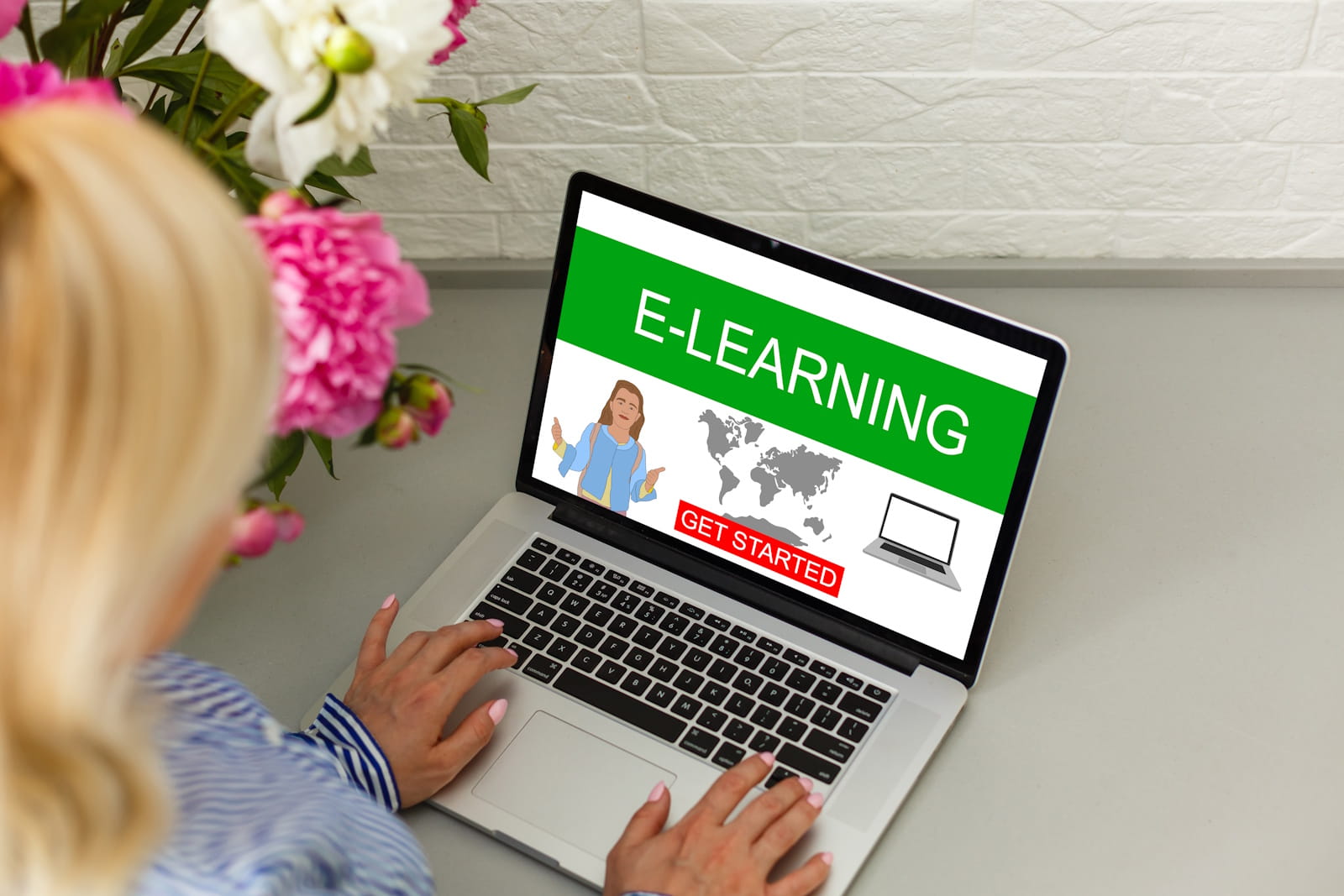
Designing User-Friendly Courses for LMS for eLearning
Designing effective online learning goes far beyond simply uploading content into an LMS for eLearning. The real value lies in how that content is structured, presented, and experienced by the learner. When courses are intuitive and easy to use, learners stay engaged, absorb information better, and are more likely to complete their studies.
A well-designed eLearning course considers clarity, usability, and overall experience. From navigation to content delivery, every element should support learning rather than distract from it. When eLearning is designed with clarity and usability in mind, learners can focus on understanding the material rather than navigating the course, leading to stronger outcomes.
Why User-Friendliness Matters in eLearning
User-friendliness is a critical factor in determining how effective an LMS for eLearning course will be. Learners approach digital learning with varying levels of confidence and technical ability. If the course environment feels overwhelming or confusing, it can quickly lead to frustration and disengagement. This makes it essential to prioritise simplicity and clarity from the very beginning.
A well-designed course removes unnecessary barriers and allows learners to focus on the content itself. Instead of spending time figuring out how to navigate or interpret layouts, learners can concentrate on building knowledge and developing skills. This creates a more positive and productive learning experience overall.
- Improves learner engagement and reduces frustration
- Enhances knowledge retention by reducing cognitive overload
- Supports learners with different skill levels and abilities
- Encourages course completion and better outcomes
- Builds confidence through clear and intuitive design
When these elements come together, the learning experience becomes seamless and effective. Learners are more likely to stay motivated and complete their courses without feeling overwhelmed. This leads to stronger results and a more meaningful connection with the material.
In the context of an LMS for eLearning, user-friendliness is not just a design preference but a necessity. It directly impacts how learners interact with content and how much they take away from it. By focusing on usability, you create an environment that supports both engagement and long-term learning success.
Core Principles of User-Friendly eLearning Design
Strong design principles form the foundation of any effective LMS for eLearning course. Without a clear structure and thoughtful presentation, even high-quality content can fall short. Designers must ensure that every element on the screen contributes to the learning process rather than distracting from it.
A balanced approach to design helps learners process information more efficiently. By combining visual clarity with well-structured content, courses become easier to follow and more enjoyable to complete. This not only improves comprehension but also keeps learners engaged throughout the experience.
- Maintain graphic clarity with clean, uncluttered layouts
- Use visuals purposefully to support learning outcomes
- Structure content for easy scanning and readability
- Keep text concise with clear headings and sections
- Ensure consistency across all screens and modules
Applying these principles creates a more intuitive and accessible learning environment. Learners can move through the course with confidence, knowing where to focus their attention and how to progress. This reduces confusion and enhances the overall experience.
When designing for an LMS for eLearning, it is important to remember that simplicity often delivers the best results. Clear visuals and well-organised content allow learners to absorb information without distraction. This approach supports both understanding and long-term retention.
Designing for Usability and Learnability
Usability focuses on how easily learners can complete tasks within an LMS for eLearning. Navigation should feel natural. Learners must know where they are, what to do next, and how to move forward or back. Clear menus, visible buttons, and logical structure all contribute to a better experience.
Learnability goes a step further. It asks whether the course actually helps learners understand and retain information. A course may be easy to use, but it must also encourage thinking and engagement. Use structured content, meaningful examples, and interactive elements to support deeper learning.
Practical Strategies to Improve User-Friendliness
Improving user-friendliness requires a practical and structured approach when developing an LMS for eLearning course. It is not enough to focus on content alone. Designers must also consider how learners interact with the course and how easily they can navigate through it.
By taking the time to plan and understand learner needs, you can create a course that feels intuitive and accessible. This involves careful organisation, clear objectives, and a focus on delivering content in a way that makes sense to the learner.
- Understand your audience and tailor content accordingly
- Plan and structure the course with clear learning objectives
- Use simple and intuitive navigation throughout
- Break content into smaller, manageable sections
- Include progress indicators to guide learners
These strategies help create a smoother learning journey. Learners can move through the course with ease, focusing on the material rather than struggling with the interface. This leads to better engagement and improved outcomes.
In an LMS for eLearning environment, these practical steps can make a significant difference. They ensure that the course is not only informative but also enjoyable to use. By prioritising usability, you create a learning experience that supports both understanding and motivation.
Enhancing Engagement Through Content and Interaction
A strong mix of content keeps learners interested within an LMS for eLearning. Combine text with visuals, videos, and interactive elements. This variety helps explain complex ideas and keeps the experience dynamic. Relying only on text can make courses feel dull and less effective.
Interactive elements also play an important role. Quizzes, clickable tips, and short activities encourage active participation. These features help reinforce learning and make the course more enjoyable. When learners engage with content, they are more likely to remember it.
Case Study: Improving User-Friendliness in a University Setting
A university in South Africa plans to introduce eLearning courses to enhance its academic programmes. The institution aims to make learning more engaging and flexible for students. However, the team has limited experience with designing digital courses and wants to ensure the new approach works effectively.
Before choosing a provider, the university focuses on understanding user-friendliness in LMS for eLearning environments. They explore key factors such as navigation, readability, and content structure. The team reviews best practices and gathers insights on how to reduce learner frustration and improve engagement.
Their research highlights the importance of simplicity, clear design, and interactive content. They realise that user-friendly courses can improve both satisfaction and academic performance. As a result, the university decides to prioritise intuitive design and structured content when developing their new eLearning modules.
What eLearning Providers Have the Most User-Friendly Mobile Apps?
Choosing the right provider for an LMS for eLearning requires careful research. Not all providers offer the same level of usability, especially when it comes to mobile learning. It is important for organisations to explore their options and assess how intuitive and accessible different platforms are. A reputable provider can make a significant difference by offering guidance and expertise in designing user-friendly learning experiences.
At Sound Idea Digital, we focus on creating engaging and accessible eLearning content tailored to different learning needs. We offer a wide range of content formats, including training videos, voice-over courses, and interactive e-books that keep learners engaged while delivering clear information. We also incorporate quizzes to test knowledge retention, as well as image and slide-based content to simplify complex ideas. Our approach includes gamification features such as achievements and progress tracking to boost motivation. In addition, we provide advanced solutions like virtual reality and augmented reality for immersive learning, along with animation to explain challenging topics in a clear and digestible way.
Testing, Feedback, and Continuous Improvement
Testing is a crucial step before launching any LMS for eLearning course. Review all content, navigation, and functionality to ensure everything works as expected. Small issues can disrupt the learning experience, so it is important to address them early.
Feedback from learners provides valuable insights. It helps identify areas that need improvement and highlights what works well. Regular updates based on feedback ensure that courses remain relevant and effective over time. Continuous improvement keeps the learning experience fresh and engaging.
Make Sure You Select a User-Friendly eLearning Course
Creating user-friendly courses within an LMS for eLearning requires careful planning, thoughtful design, and ongoing refinement. By focusing on clarity, usability, and engagement, you can deliver learning experiences that truly support learners. Every design choice should make it easier for learners to access, understand, and apply information.
If you want to create impactful and user-friendly eLearning solutions, Sound Idea Digital can help. Get in touch with our team to explore how you can improve your courses and deliver better learning experiences.
FAQs
A user-friendly LMS for eLearning is easy to navigate, simple to understand, and accessible across devices. Learners should be able to move through content without confusion, find what they need quickly, and complete tasks without unnecessary steps. Clear layouts, readable content, and intuitive controls all contribute to a better user experience.
User-friendliness directly impacts how learners engage with content. If a course is difficult to use, learners may lose interest or struggle to complete it. A well-designed LMS for eLearning reduces frustration, improves knowledge retention, and helps learners stay focused on the material rather than the interface.
Design plays a major role in how learners interact with a course. Clean layouts, consistent structure, and purposeful visuals help guide learners through the content. Good design also reduces cognitive load, making it easier for learners to process and retain information.
You can evaluate user-friendliness by testing the course and collecting feedback from learners. Look for signs such as easy navigation, clear instructions, and smooth progression through content. If learners can complete tasks without confusion, your course is likely user-friendly.
Yes, user-friendly design can significantly improve learning outcomes. When learners can focus on the content without distractions or confusion, they are more likely to understand and retain information. This leads to better performance and a more effective learning experience.