
The Benefits of LMS Dashboards for Smarter Training Outcomes
A learning management system in South Africa gives organisations a structured way to manage and deliver training while keeping a close eye on learner progress. At the centre of this system sits the dashboard, which brings together data, insights, and actions into one clear view. Instead of guessing how training is performing, organisations can rely on real-time information to guide decisions and improve results.
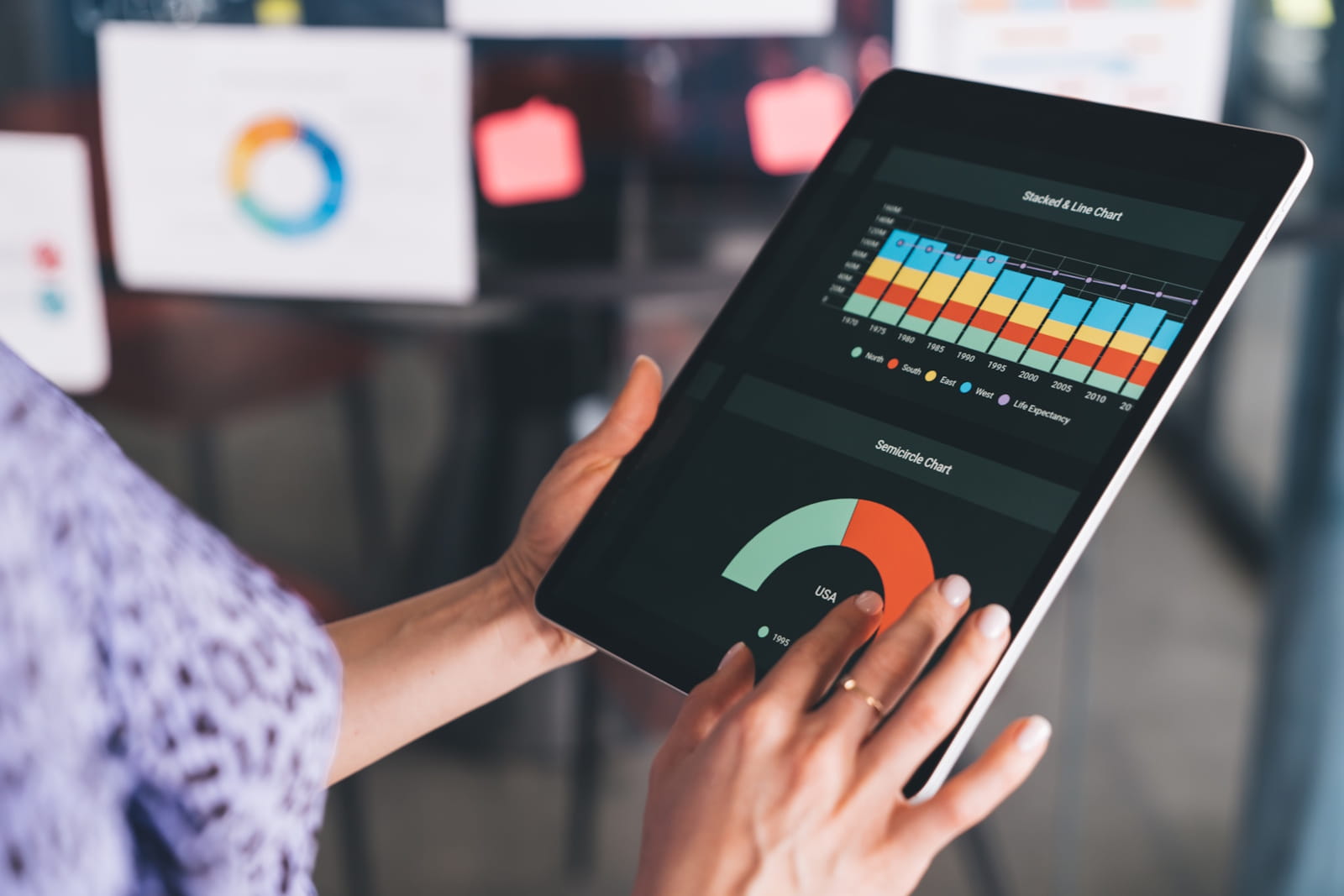
Dashboards also help break down complex data into something manageable. By visually presenting key metrics like course completion, assessment results, and learner engagement, dashboards make it easier for both learners and administrators to stay focused on what matters. They transform learning from a passive activity into a measurable and accountable process that supports continuous development and better outcomes across the organisation.
Clear Visibility into Learner Progress
A learning management system in South Africa becomes far more effective when learners and administrators can clearly see progress at any given moment. Dashboards provide this visibility by displaying completion rates, current activities, and upcoming tasks in a simple and visual format. Learners instantly know which areas require more attention, while administrators gain an overview of individual and group progress across all training programmes.
This visibility fosters accountability and motivation. Learners feel more in control of their own development and can prioritise tasks accordingly, which leads to consistent engagement. For administrators, the clarity helps identify knowledge gaps early, enabling targeted interventions and support that keep training on track and aligned with organisational goals.
- Real-time progress tracking: Learners and administrators can see immediate updates on course completion and assessment scores.
- Activity dashboards: Monitor which courses or modules are currently being worked on and which are overdue.
- Engagement indicators: Highlight participation in discussions, assignments, and interactive elements.
- Upcoming tasks and deadlines: Provide learners with reminders and administrators with a view of pending activities.
- Group performance overview: Compare teams, departments, or learner cohorts to identify trends and needs.
With these features, a dashboard becomes more than a reporting tool; it becomes a daily guide for both learners and administrators. The ability to pinpoint exactly where learners are excelling or struggling ensures that interventions are timely, relevant, and targeted to improve outcomes.
By integrating these visual insights, organisations create a transparent learning environment. Everyone involved understands progress at a glance, reducing confusion, increasing motivation, and promoting a culture of accountability that benefits overall organisational learning.
Faster and Smarter Decision-Making
Dashboards in a learning management system in South Africa support faster decision-making by providing instant access to critical training data. Instead of manually collecting information from multiple sources, administrators can quickly review key metrics such as engagement levels, completion rates, and assessment outcomes in one place.
This immediate access allows organisations to respond to issues before they escalate. For example, if certain courses show low completion rates, administrators can investigate content effectiveness, adjust learning strategies, or provide additional guidance. By relying on real-time insights rather than assumptions, organisations can improve training quality and ensure resources are allocated efficiently.
Improved Learner Engagement and Motivation
A learning management system in South Africa can enhance engagement by turning progress tracking into a motivating experience. Dashboards use visual cues like progress bars, achievement badges, and completion indicators to provide learners with instant feedback, which encourages continued participation.
Motivation is further strengthened when learners can see how their efforts contribute to overall goals. Timely notifications about upcoming tasks or milestones keep learners organised and focused. By making progress visible and rewarding, dashboards create a more immersive and engaging learning environment that helps learners stay committed throughout the training journey.
Personalised Learning Experiences
Dashboards within a learning management system in South Africa allow for personalised learning by analysing individual performance data. By understanding each learner’s strengths, weaknesses, and pace, administrators can tailor learning paths to maximise results.
Personalisation benefits both learners and the organisation. Learners receive content that matches their skill levels, helping them focus on areas needing improvement while advancing more quickly through familiar topics. Administrators can use these insights to align training with specific roles and objectives, improving knowledge retention and making learning more impactful.
- Customised learning paths: Assign modules based on skill levels or job roles.
- Adaptive course recommendations: Suggest next steps depending on performance trends.
- Focused assessments: Target quizzes or tasks to areas requiring improvement.
- Flexible scheduling: Allow learners to progress at a pace suited to their needs.
- Resource prioritisation: Offer additional materials or support where necessary.
These tools create a more engaging learning experience. Learners feel that training is designed for them rather than generic, increasing participation and satisfaction.
For organisations, personalised learning reduces wasted time and effort while maximising skill development. Administrators can focus resources where they are most needed, ensuring that training achieves measurable results for each individual and the team as a whole.
Stronger Compliance and Completion Tracking
Tracking compliance and completion is a key function of a learning management system in South Africa. Dashboards provide real-time updates on course progress, certification status, and training deadlines, allowing organisations to maintain accountability and meet industry or regulatory standards.
Administrators can identify learners who may need additional support and send automated reminders to ensure everyone stays on track. Detailed reporting features also simplify audits and reviews, creating transparency and reducing the risk of overlooked or incomplete training. This structured approach ensures consistency and reliability across all learning programmes.
Better Insight into Training Effectiveness
A learning management system in South Africa becomes a strategic tool when dashboards turn data into actionable insights. By analysing trends in engagement, performance, and completion, administrators can determine which courses succeed and which require improvement.
Understanding training effectiveness is critical for continuous improvement. Dashboards allow administrators to identify patterns such as sections of content that learners struggle with or areas where engagement drops, providing evidence for targeted updates. These insights support data-driven decision-making and ensure that the organisation invests in training that truly delivers results.
- Engagement metrics: Track interactions, forum activity, and resource usage.
- Completion rates: Identify courses or modules with low success levels.
- Assessment performance: Evaluate which topics learners struggle with most.
- Content effectiveness: Determine which materials drive better results.
- Feedback analysis: Incorporate learner input to adjust programmes accordingly.
By tracking these elements, organisations can optimise training programmes for higher impact. They gain a clear understanding of what works and what needs refinement, ensuring that every learning initiative contributes to organisational goals.
Dashboards also provide a foundation for accountability and reporting. Administrators can present evidence-backed insights to leadership, demonstrating the return on investment for training programmes and highlighting areas of success and improvement for stakeholders.
Simplified Training Management
Managing training can be complicated, but dashboards within a learning management system in South Africa make the process more straightforward. By centralising key information, administrators can easily track learners, monitor courses, and generate reports without juggling multiple systems.
This simplification saves time, reduces errors, and ensures that training remains structured and consistent. Learners benefit from a clear roadmap of their learning journey, while administrators maintain complete oversight of programmes, making training delivery more efficient and reliable.
Building a Culture of Continuous Improvement
A learning management system in South Africa supported by dashboards encourages continuous learning and development. Regular insights allow both learners and administrators to identify areas for improvement and adjust strategies accordingly.
Continuous improvement goes beyond individual training sessions. Dashboards provide ongoing performance monitoring, highlighting both successes and gaps, and encouraging a proactive approach to development across the organisation. By routinely analysing progress and outcomes, administrators can implement changes that enhance overall learning quality.
- Trend tracking: Monitor learner progress over time to identify patterns.
- Goal alignment: Adjust training objectives based on insights from dashboards.
- Performance benchmarking: Compare results across teams or departments.
- Feedback loops: Integrate learner and instructor feedback to refine programmes.
- Iterative course improvement: Update content and delivery methods based on data.
These practices foster a culture where learning is a continual process rather than a one-time event. Learners feel motivated to improve, and administrators can strategically support development initiatives.
With dashboards providing visibility, organisations are empowered to make incremental improvements in training, ensuring that learning programmes remain effective, relevant, and aligned with evolving organisational needs.
What LMS Vendors Include Analytics Dashboards for Tracking Learner Progress?
When researching learning management system in South Africa vendors, it is essential to understand exactly what features support analytics and dashboard functionality. At Sound Idea Digital, we provide customised LMS solutions for corporate training, accredited training organisations, academic institutions, and non-desk-based staff in industries such as mining, retail, healthcare, and manufacturing. Our systems manage course delivery, track progress, assess skills, and maintain compliance records. For accredited training, we support QCTO requirements and offer easy access to SETA-mandated documentation, while our mobile-friendly platforms ensure training remains accessible even in remote or operational environments. Features such as offline access, practical assessments, and audit trails make it possible to monitor learners across shifts and locations.
Our LMS features provide a complete solution for dashboards and analytics tracking. We offer learning path customisation across qualifications, courses, modules, and learning items, dynamic reporting with export options, full user management, and robust security with behaviour tracking and anti-cheat functions. Gamification keeps learners motivated, while blended learning and session tracking allow administrators to monitor classroom-based elements. System notifications, detailed insights and user tracking, certificate management, customisable branding, SCORM compliance, and content and document management with version control all contribute to a platform that provides meaningful analytics to guide learning outcomes. By understanding these capabilities, organisations can make informed decisions about which LMS vendor meets their specific needs for tracking learner progress.
Use Dashboards to Enhance Your LMS
A learning management system in South Africa is far more than a tool for delivering training. Dashboards make it possible to track progress, engage learners, ensure compliance, and drive continuous improvement. By turning complex data into actionable insights, dashboards enable organisations to manage learning effectively and deliver measurable results across teams and departments.
If you want to take full control of your training programmes and unlock the power of dashboards, get in touch with Sound Idea Digital today. We can help you implement a learning management system in South Africa that transforms how your organisation manages training, enhances learning outcomes, and supports long-term growth.
FAQs
A dashboard is a central interface within a learning management system that provides a visual summary of learner progress, course completion, assessment results, and engagement metrics. It allows both administrators and learners to monitor performance in real-time, making it easier to identify strengths, weaknesses, and areas needing improvement.
Dashboards track progress by displaying completion rates, active courses, upcoming tasks, and assessment scores. They provide an at-a-glance overview of individual and group performance, helping administrators intervene early and allowing learners to manage their learning journey effectively
Yes. Dashboards analyse individual performance and engagement, allowing administrators to customise learning paths for each learner. They can recommend modules based on skills gaps, track completed activities, and suggest next steps, ensuring a personalised and effective learning experience.
Yes. Dashboards can be tailored for corporate training, academic institutions, accredited training organisations, and non-desk-based staff, including sectors such as mining, healthcare, retail, and manufacturing. They support compliance tracking, skill verification, and performance reporting in all work environments.
Look for features like real-time progress tracking, engagement metrics, learning path customisation, dynamic reporting, certificate management, blended learning tracking, system notifications, gamification, and content management. These capabilities ensure the dashboard provides actionable insights for both learners and administrators.